The biggest concern of an organization should be when its most passionate people become quiet. – Tim McClure
I remember last year when I made a special trip to one of my favorite bird sanctuaries. It’s a little over an hour’s drive away, and I was going with much anticipation. It’s a beautiful place, and photographers and bird enthusiasts come from all over to see it. I packed my camera gear and selected and packed the lenses. I was very much looking forward to my time there.
I was just a few minutes into my adventure when the unthinkable happened. The battery light in the viewfinder began blinking. My battery was about to die. My immediate thought was, “How could this be happening to me?” “I never do this!”
But there I was, standing there with my camera and all my gear in tow, and I was about to be finished before I ever really got started. I didn’t charge the battery the night before, and I didn’t pack any spare ones. How could I have forgotten something so basic? It ruined everything.
As leaders, we too must understand that it’s not always the big things that upset the apple cart. Little things, if left unattended, can mess up our day.
Just as many things can drain a camera’s battery life, knowing what drains your leadership battery matters. Things can and will drain you as a leader. Knowing what they are is important.
Knowing what drains you as a leader is a critical self-awareness skill you need to develop. If having an accountability partner helps, get one. But don’t fly solo and miss the warning signs.
What drains you as a leader is something many leaders have to figure out. Here are a few to look out for.
Constant decision-making can drain you
Leaders can easily make hundreds of decisions a day. Think about yours throughout the course of a day or week. How many are really ones you should be making instead of someone else? If someone else can make it, why haven’t you delegated that decision-making to them?
After over 40-years in leadership, here is what I know. Not every decision deserves the same amount of your energy. Create routines for repetitive decision-making. Save your best thinking for the decisions that truly require you.
Power Saving Tip: Don’t spend premium battery power on low-value decisions.
Carrying problems that belong to other people drains you
Good leaders care about people. It ought to be one of the hallmarks of your leadership. But there’s a difference between caring for people and taking on problems the other person needs to learn to fix at work. So let me be clear: caring for your people in their time of personal need is important. Your people need to know you care and that you are present.
When you take on problems that are not yours to solve, it robs you of your time, energy, and focus. The things that belong to you as a leader should be in the top percentile of importance for you and your organization. Click To TweetMake sure what you are devoting your time and energy to isn’t draining you so you can’t give your best in every situation.
Power Saving Tip: Sometimes developing people means resisting the temptation to rescue them.
Trying to please everyone can drain you
This can easily be the biggest leadership battery killer. It’s only natural: you want employees happy, parents happy, board members happy, colleagues happy, family happy, and the list goes on and on.
There’s only one problem. You can’t make everyone happy. Go ahead, read the sentence again. You can’t make everyone happy.
Leadership involves making decisions that not everyone will like. Get used to it. So, if your emotional well-being depends upon everyone approving of your decisions, leadership will constantly exhaust you.
Power Saving Tip: You can listen to everyone without living for everyone’s approval.
Think about your leadership for just a moment and ask yourself these questions: What consistently drains my energy? What am I carrying that really belongs to someone else? Who or what am I allowing to occupy too much of my mental space?
Knowing who or what is draining your leadership energy is the first step in saving it.
©2026 Doug Dickerson




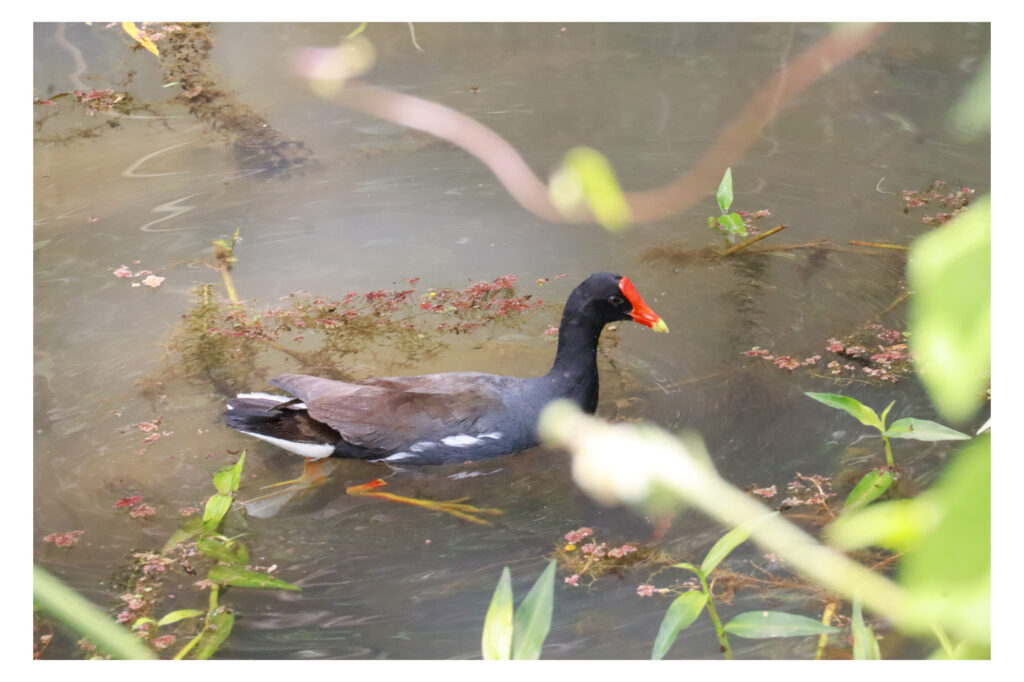
 A few weeks ago, I was in Hawaii. We were hiking to Waimea Falls on Oahu. This is a beautiful place, and one thing in particular that caught my eye was a sign that read “Slow ‘Alae’Ula Crossing”. This is an endangered bird species found only in Hawaii.